
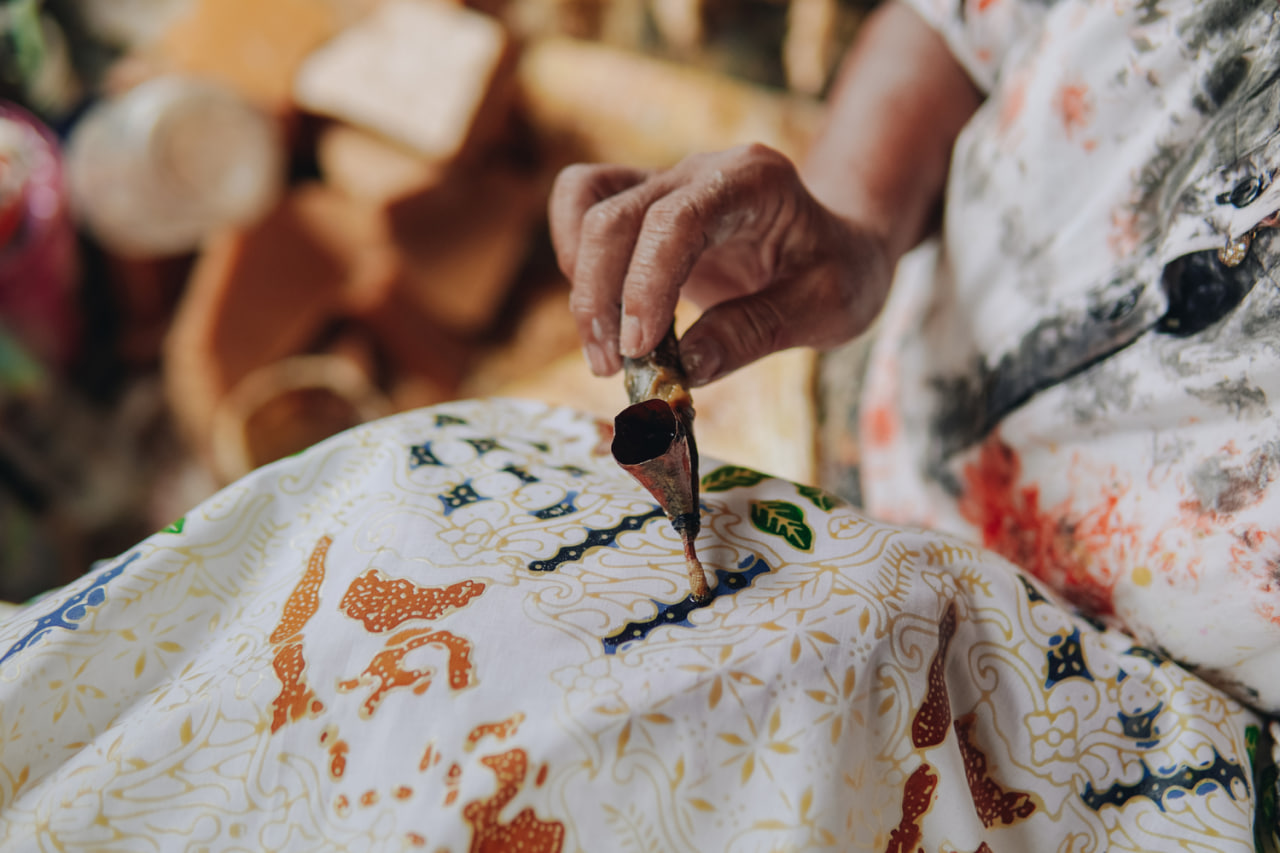
Applied craft is most rewarding when it produces items that are both creative and useful. Functional projects allow makers to combine artistry with practicality, creating objects that improve daily life while showcasing personal style. By focusing on functional outcomes, makers develop skills in planning, material selection, construction, and finishing—all while creating tangible, purposeful items.
Why Functional Projects Matter
Functional projects teach makers to think beyond aesthetics and consider how an object will be used. Every decision, from material choice to assembly technique, impacts durability, safety, and usability.
Working on practical projects builds problem-solving skills and encourages intentionality. Makers learn to anticipate challenges, adapt designs, and develop techniques that produce reliable results.
Simple Home Organization Projects
Home organization projects are ideal for functional craft practice. Items such as storage boxes, utensil holders, and drawer dividers combine utility with creativity.
Using basic materials like wood, cardboard, or fabric, makers can design solutions tailored to their spaces. These projects improve measurement, cutting, and joining skills while producing items that simplify everyday life.
Everyday Decorative Objects
Functional decor items blend utility and aesthetics. Examples include coasters, trays, shelves, and small planters. These projects offer opportunities to practice surface finishing, pattern alignment, and material combination.
By focusing on function first, makers ensure that decorative objects are not only visually appealing but also durable and practical for regular use.
Personalized Gifts
Creating functional gifts allows makers to apply skills in real-world scenarios. Projects such as custom tote bags, key holders, utensil sets, or desk organizers combine thoughtfulness with practicality.
Functional gifts teach makers to consider the recipient’s needs, choose appropriate materials, and apply finishing techniques that enhance usability and longevity.
Weekend Skill-Building Projects
Short, weekend-sized projects help build skills while producing tangible results. Examples include small shelves, fabric storage bins, or decorative boxes with compartments.
These projects allow makers to practice planning, cutting, joining, and finishing techniques in a manageable timeframe. They also provide immediate gratification, reinforcing motivation and confidence.
Combining Materials for Functionality
Functional projects often involve combining materials for added strength or utility. For instance, fabric can line wooden boxes for soft storage, or metal handles can reinforce cardboard organizers.
Understanding material behavior and compatible adhesives ensures that combined materials perform well together. This approach develops problem-solving skills and expands creative possibilities.
Emphasizing Usability and Longevity
Functionality is not just about immediate use—it’s about creating items that last. Proper finishing, secure joints, and durable materials ensure that functional projects remain useful over time.
Makers also learn to anticipate stress points, design for everyday wear, and incorporate adjustments that improve long-term usability.
Skill Development Through Function
Functional projects reinforce essential applied craft skills. Measurement, cutting, assembly, surface preparation, and finishing are practiced repeatedly in real-world contexts.
This hands-on approach strengthens both technical abilities and creative thinking, preparing makers to tackle increasingly complex projects while maintaining functionality.
Confidence and Satisfaction
Completing functional projects provides tangible proof of skill and capability. Makers gain confidence as they see their creations used in daily life, reinforcing the value of applied craft.