
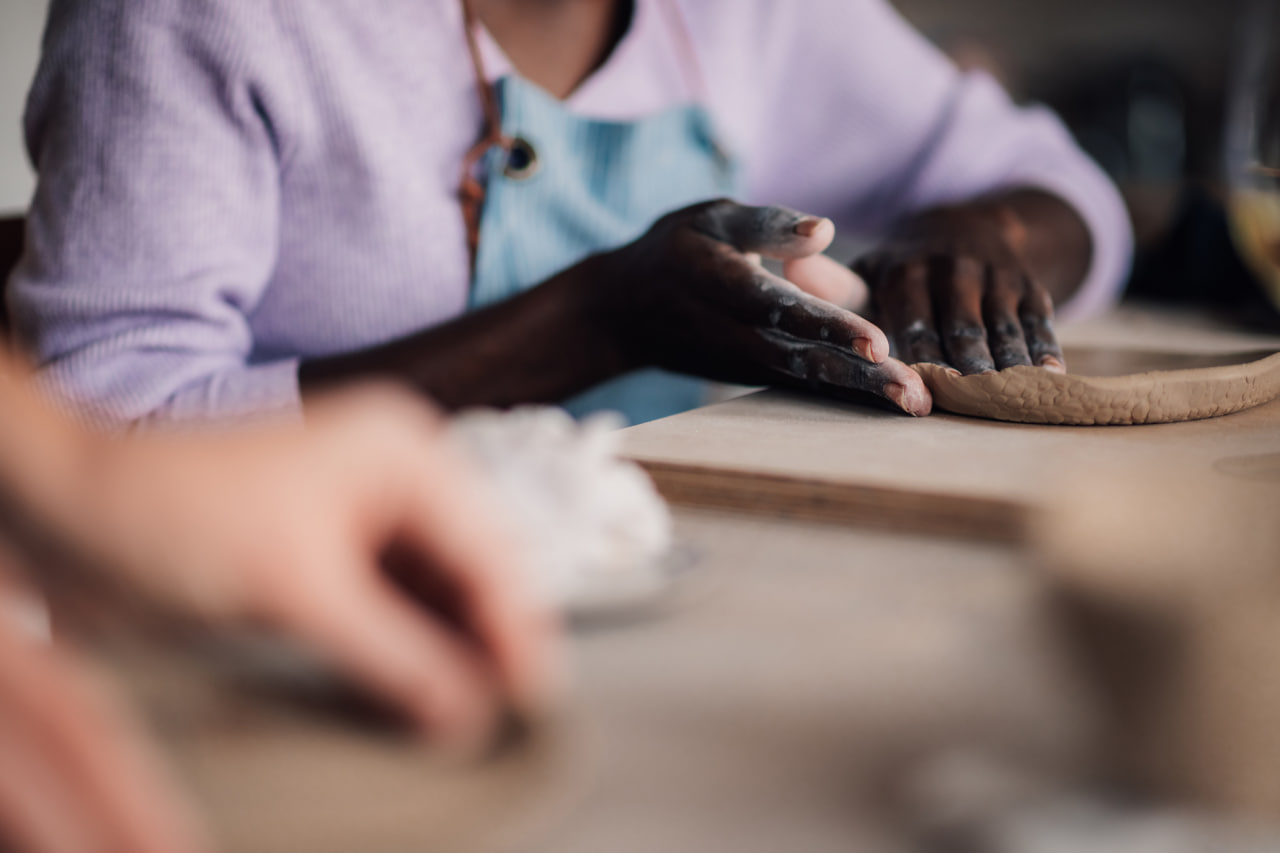
Applied craft combines creativity with functionality, and mastering essential techniques is key to producing reliable, usable items. Whether working with wood, fabric, paper, or mixed materials, understanding the fundamentals ensures that projects are both aesthetically pleasing and structurally sound. By focusing on core techniques, makers gain the confidence and skill necessary to tackle more complex tasks and create functional items that last.
Measuring and Planning Accurately
Accurate measurement is the foundation of all applied craft work. Mistakes in measurement can lead to misaligned parts, wasted materials, and structural weaknesses.
Planning involves more than numbers; it requires visualizing the finished project, anticipating challenges, and preparing tools and materials in advance. Using rulers, squares, and templates ensures precision, while careful marking and double-checking measurements prevents errors and saves time. Consistent planning transforms even simple projects into polished, reliable outcomes.
Cutting and Shaping Materials
Cutting and shaping are fundamental actions that define the form and fit of every project. Each material has unique properties that require different handling techniques.
For wood, cutting along the grain produces cleaner edges, while cutting against the grain can cause splintering. Fabric must be cut with attention to stretch and alignment, while paper and cardboard benefit from scoring and layering to improve strength. Developing steady hand control and choosing the appropriate cutting tool for each material improves precision, safety, and overall quality.
Joining and Assembly Techniques
Connecting separate parts into a functional whole is central to applied craft. Proper joining ensures structural integrity and usability.
Common methods include stitching, gluing, nailing, screwing, and folding. The choice of method depends on the materials and intended use of the item. Proper alignment, clamping, and controlled pressure during assembly prevent weak joints and uneven connections. Understanding the strengths and limitations of each joining technique allows makers to build items that are both durable and functional.
Surface Preparation and Treatment
Preparing surfaces before assembly or finishing is critical for both appearance and longevity. Surfaces should be cleaned, sanded, pressed, or smoothed to create a stable foundation for adhesives, paints, or coatings.
For wood, sanding and sealing prevent rough edges and improve finish adhesion. Fabric edges may need hemming or fraying control, and paper surfaces require careful handling to prevent tearing. Effective surface preparation enhances durability, aesthetics, and the overall quality of the final product.
Tool Handling and Safety
Mastering essential craft techniques also involves safe and correct tool use. Hand tools such as scissors, knives, hammers, and screwdrivers form the backbone of applied craft work, while basic power tools may be used for more complex tasks.
Correct grip, controlled movements, and stable positioning improve precision and reduce the risk of accidents. Protective equipment such as gloves, eye protection, and dust masks enhances safety, especially when working with sharp, abrasive, or heavy materials. Consistent practice builds confidence and proficiency, allowing tools to extend creativity rather than limit it.
Finishing and Detailing
Finishing techniques complete applied craft projects and improve both durability and aesthetics. Painting, staining, sealing, and coating protect materials and enhance visual appeal.
Attention to detail, including smooth application, layering, and drying time, ensures a professional result. Decorative touches such as trimming, edging, or embellishments can further personalize functional items, making them unique and tailored to individual needs.
Problem-Solving and Adaptability
Applied craft is rarely linear, and challenges often arise during a project. Mastering essential techniques equips makers to identify problems early and adjust their approach effectively.
Whether correcting misaligned parts, reinforcing joints, or modifying dimensions, problem-solving skills enhance both confidence and creativity. Developing adaptability ensures that every project can reach a functional and satisfying conclusion.
Practice and Skill Development
Repetition is key to mastering applied craft techniques. Each project reinforces measurement accuracy, cutting precision, assembly methods, and finishing skills.
Starting with small, focused exercises builds muscle memory and control. Gradually increasing complexity allows makers to combine techniques, work with diverse materials, and tackle larger or more challenging projects. Consistent practice fosters competence, independence, and creative growth.